
Home > About > Pork Today   

Today's U.S. Pork Industry

Pork production in the United States is a vital part of the economy. In 2005, there were nearly 35,000 direct, full-time equivalent pork producing jobs, which helped generate an additional 515,000 indirect jobs. The industry produced nearly $21 billion in personal income from total sales of more than $97 billion and added $34.5 billion to the country’s gross national product.

Today there are more than 67,000 pork operations compared with nearly 3 million in the 1950s. Farms have grown in size; 53 percent of them now produce 5,000 or more pigs per year. Nearly 21 billion pounds of pork were processed from about 105 million hogs in 2006. Nearly 3 billion pounds of pork valued at more than $2.6 billion was exported in 2005.

The U.S. pork industry is experiencing phenomenal growth as it continues to meet worldwide consumer demand for what has become the most popular meat product. Today the United States is one of the world’s leading pork-producing countries and is second – tied with Denmark – to Canada as the largest exporter. The top 10 pork producing states, in rank order, are Iowa, North Carolina, Minnesota, Illinois, Indiana, Nebraska, Missouri, Oklahoma, Kansas and Ohio. The top export markets for U.S. pork include Japan, Mexico, Canada, South Korea, China and Russia.

Key to the growth in the U.S. pork industry is the American pork producer, who continues to become more efficient through modern production practices, state-of-the-art innovations and scientific advancements. U.S. pork producers are climbing to the top while adhering to high standards of animal care and well-being and proudly practicing good environmental stewardship.

Pork production requires many inputs to complete the complex process of producing high-quality pork products such as bacon, ham and pork chops. Feed grains, high-protein feed ingredients, vitamins, minerals and water are used to produce hogs that go to market and eventually become pork and pork products. Feed is the major production input to the pork production process. In fact, feed accounts for more than 65 percent of all production expenses. Corn, barley, milo (grain sorghum), oats and sometimes wheat are used to provide dietary energy in the form of carbohydrates and fat. The U.S. pork industry used 1.08 billion bushels of U.S. corn and 265 million bushels of U.S. soybeans in 2004. It takes 216 million bushels of corn and 9.63 million tons of soybean meal to produce 105.3 million market hogs. Each hog that is marketed in the United States consumes 12 bushels of corn and 130 pounds of soybean meal. At current prices, feed costs alone are $62 per pig.

There is more than just meat produced when a pig is raised. Many of the co-products, such as replacement heart valves and skin grafts for burn victims, save lives or allow people to lead normal lives in spite of illness (insulin). Others are used in making many food and industrial products such as gelatin, plywood adhesive, glue, cosmetics and plastics. By far the largest volume co-product of pig production is manure, an effective, low-cost source of nutrients for crops and pastures. In fact, decisions regarding the type of buildings to construct frequently depend on the producer’s need for and ability to efficiently use the nutrients found in pig manure. When properly handled and applied, manure can be an asset to pig operations and provide extra income to operators by reducing the need to purchase petroleum-based fertilizer.

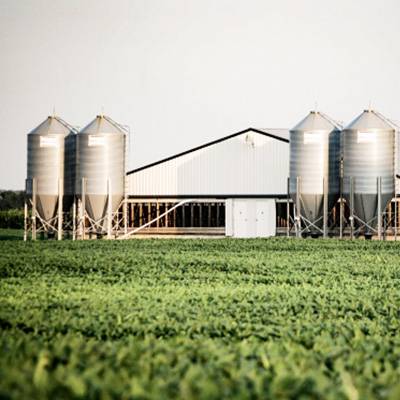
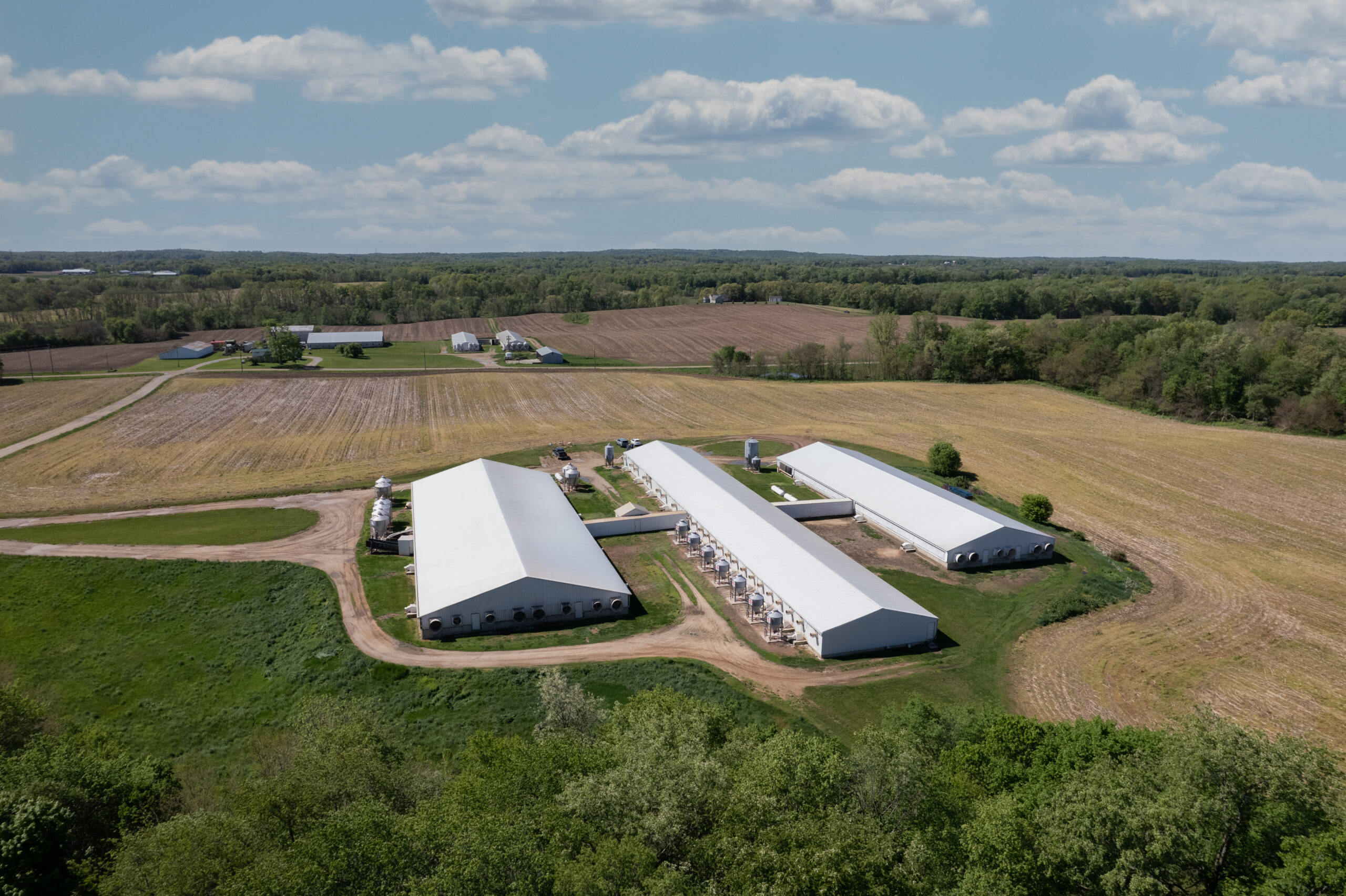
From pastures to enclosed barns, there are many different hog-production systems used throughout the United States. These systems are based on promoting the animal’s well-being and health to maximize production. Animal well-being and worker safety are primary concerns to producers, regardless of the type of facilities chosen. Producers decide what type of production facility will be the most effective method based on a number of variables, including his or her business plans, weather, location, feed availability and veterinary care. The key to good swine care rests more on the producer’s ability to properly manage housing than it does on the specific type of housing provided.

U.S. pork producers are part of a market chain that also includes packers, processors, purveyors, retailers and foodservice operators. Each plays a specific role in adding value to pigs, and each helps provide the safest and highest quality pork products to consumers worldwide. Business decisions are made by all players in the chain based on the supply and demand for pork in the marketplace. This is what impacts the prices producers receive for their pigs. Historically, there have been few government subsidies to support producers in times of low prices. If supplies are low and/or demand is high, prices will be high. If supplies are high and/or demand is low, prices will be low.

The U.S. pork industry is an integral part of the U.S. economy, providing hundreds of thousands of jobs and adding to the nation’s wealth, and it produces the safest, highest quality and most abundant pork products in the world.


Mission

Pork Today

Board of Directors

Professional Staff

Allied Industry Information

Contact

Home | About | Producers | Associations | Public Policy | Newsroom | Resources | Capital Update | Events | Join Email List | Site Map

  Washington Public Policy Center
122 C Street, N.W., Suite 875
Washington, D.C. 20001
p: 202.347.3600 | f: 202.347.5265

National Office
10664 Justin Drive
Urbandale, IA 50322
p: 515.278.8012 | f: 515.278.8011


Copyright © 2004
National Pork Producers Council

Contact Us | Privacy Statement