Capital Update – For the Week Ending April 26, 2024
In this week’s NPPC Friday recap: NPPC says FTAs key to supply chain resilience; NPPC Pork Alliance meeting held in Des Moines; study highlights hog pricing trends, importance of USDA’s…

As the global voice for the U.S. pork industry, National Pork Producers Council (NPPC) advocates for the social, environmental, and economic sustainability of U.S. pork producers and their partners by fighting for reasonable public policy defending our freedom to operate and expanding access to global markets.
NPPC works on behalf of an industry that reliably and responsibly brings high-quality pork to markets across the globe. Comprised of 42 affiliated state pork producer associations, NPPC fights for public policies, programs, and trade pacts that ensure the U.S. pork industry can continue to provide consumers with the world’s safest, most wholesome, and nutritious pork products.
jobs are supported by the pork industry
total pork producers
hogs are annually marketed
pork industry adds to the GDP
More than half a million people work in the pork industry supply chain to provide a variety of safe, wholesome, and affordable products that nourish people all over the world.
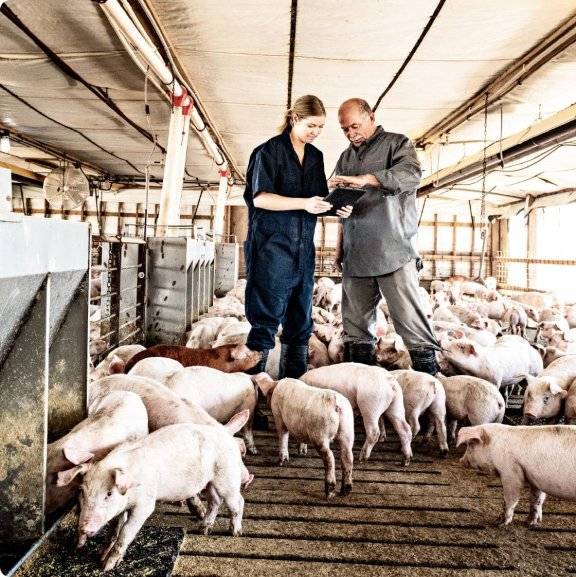
Hardworking American pork producers need a strong voice in society. NPPC speaks out to legislators, regulators, and trade organizations on policy issues in agriculture and industry, animal well-being, commerce, food safety, the environment and energy, and more.
Learn more about the issues:
In this week’s NPPC Friday recap: NPPC says FTAs key to supply chain resilience; NPPC Pork Alliance meeting held in Des Moines; study highlights hog pricing trends, importance of USDA’s…
In this week’s National Pork Producers Council (NPPC) Friday recap: NPPC leads the charge asking USTR to ‘recommit’ to aggressive trade agenda; NPPC’s Dr. Johnson represents U.S. pork at Codex…
Washington, D.C., April 17, 2024 — The National Pork Producers Council (NPPC) is pleased to announce several staff updates to enhance the organization’s advocacy efforts.
Andy Curliss will join the…
Whether you’re a producer, a processor, a supplier to the industry or retailer, or someone simply interested in maintaining a long tradition of nutritious farming, NPPC makes it easy to get involved.